
Experimental artist D4vd rose to prominence among Gen Z for his unique blend of alt-rock, bedroom pop, and chill R&B. But his promising future came crashing down on Sept. 8, 2025, after the discovery of the decomposed and mutilated body of 14-year-old girl Celeste Rivas Hernandez in his car. In the months that passed between the discovery of the body and D4vd’s arrest on April 16, 2026, the artist was dropped by his label, forced to cancel his tour dates, and had other prominent singers like Kali Uchis and Laufey remove songs featuring him from streaming, amid a storm of viral speculation about his involvement with the teen, as well as the circumstances of her death. On July 27, after preliminary hearings, a judge ruled that the case could proceed to trial. D4vd’s post-preliminary arraignment is scheduled for Aug. 31.
In the immediate aftermath of the arrest, D4vd’s monthly listeners nearly doubled, rising from about 14 million to 30 million people as popular tracks of his such as “Romantic Homicide” went viral for their irony, considering the artist is charged with murder. Since then, though, these numbers have dwindled back to around 17 million as D4vd’s listeners struggled to separate his songs from his allegations. The predicament faced by D4vd’s fans is just one example of a far broader ongoing debate: is it ethical to separate the art from the artist and under what circumstances should one do so? Public opinion is strongly divided, with Lakeside students making strong arguments on both sides.
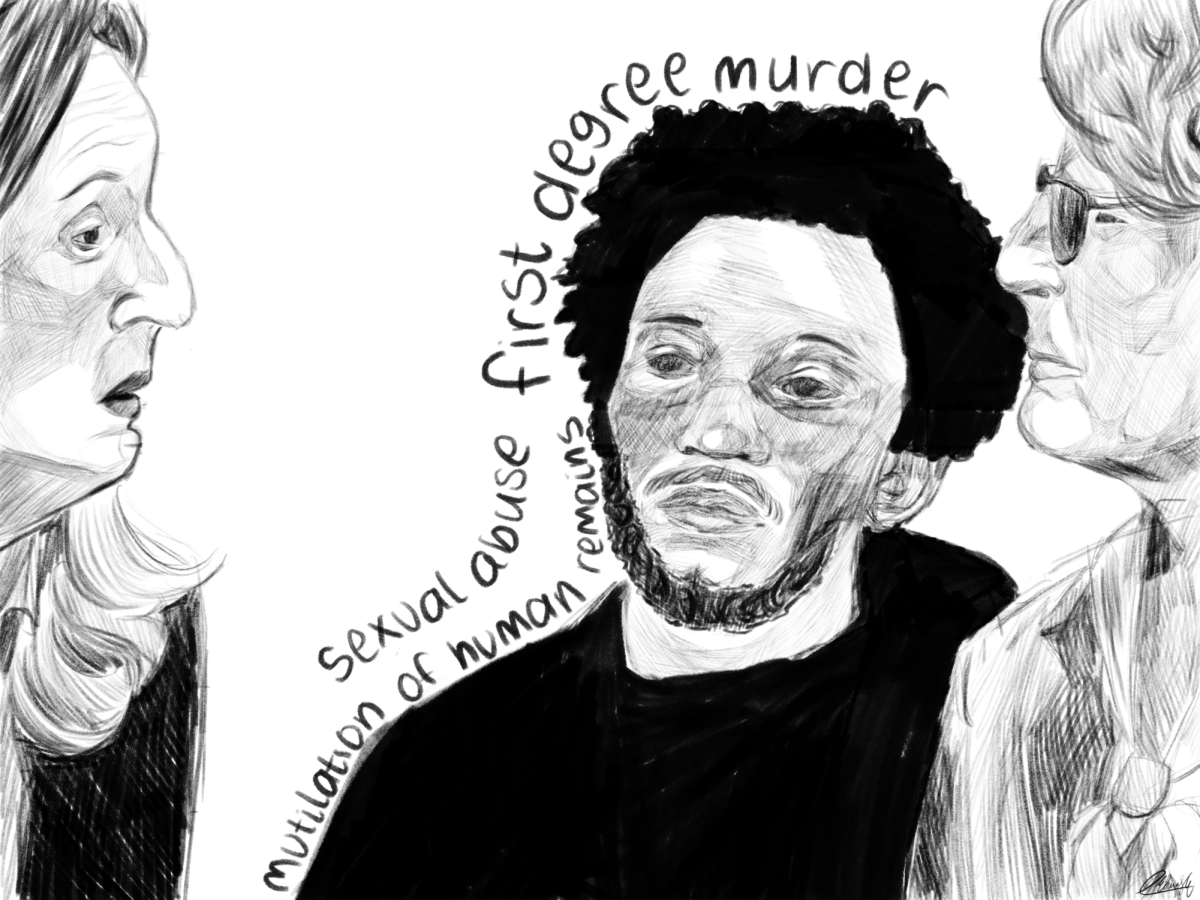
D4vd faces charges on three counts: first-degree murder with special circumstances, continuous sexual abuse of a child under 14, and mutilation of human remains. Conviction on these counts could result in the death penalty. Prosecutors allege that D4vd began a sexual relationship with Hernandez in November 2023, when she was 13 and he was 18, which turned sour at Hernandez’s threats to expose their relationship the day before her death. Prosecutors allege that D4vd lured her to his house on the night of her murder, proceeded to stab her to death, removed her limbs with a chainsaw and stuffed her corpse into the front trunk of his Tesla.
The evidence used by prosecutors included over 8,000 texts exchanged between D4vd and Hernandez. Prosecutors said one of the texts revealed that Hernandez became pregnant and later had an abortion, while others allegedly include threats from Hernandez to expose their relationship to the public, which prosecutors point to as a potential motive for D4vd. On July 27, a judge ordered D4vd to stand trial.
Within the Lakeside community, several students have decided to stop listening to d4vd’s music considering the severity of the allegations against him. “His songs are about [Hernandez] and it’s kinda creepy,” said freshman Geri A. ’30, who listened to d4vd’s music prior to his arrest. Tatler also conducted an anonymous poll, where 89 students were surveyed, with 43 offering an opinion. Other students point to songs like “Romantic Homicide” and an unreleased demo called “Celeste” (which was leaked before Hernandez’s death) as examples of d4vd admitting to his crimes in his music. “How can you separate that?” asked a senior who shared Geri’s views.
More broadly, several Lakesiders who responded to the poll believe art can be separated from the artist, but have established personal boundaries for where an artist’s behavior becomes too problematic to ignore. Some of these boundaries revolve around whether an artist financially benefits when people interact with their music. For instance, one junior stated in his poll response “I believe in separating the art from the artist only after the artist is dead. They don’t get any profits.” Others are more focused on the severity of an artist’s transgressions, with some Lakesiders permitting the separation of art from artist for non-criminal acts such as problematic speech and others drawing distinctions between “lesser” and “greater” crimes. “I don’t care about … a robbery or fraud … [or] if an artist is cheating on their partner, that’s none of my business,” elaborated a senior in their poll response.
However, many listeners continue to enjoy songs produced by controversial artists without condoning their behavior, and are frustrated when people attempt to paint them as unethical or immoral for doing so. “Yes, I would like to listen to the music,” shared a freshman. “I want to [listen] without getting judged for the person who sang it.” Another student agreed, stating, “Music is music and art is art, and there should be separation between enjoying the music and shaming the artist.”
With his music being dissected in this ongoing “art-versus-artist” debate, D4vd is struggling in the court of public opinion. However, his legal fate remains uncertain, as his trial date has not been set as of Aug. 29. In the meantime, the chilling nature of his case and the choices his listeners face going forward invite us to consider what it means to enjoy art in a world of talented artists with both incredible work and horrific deeds to their name.