
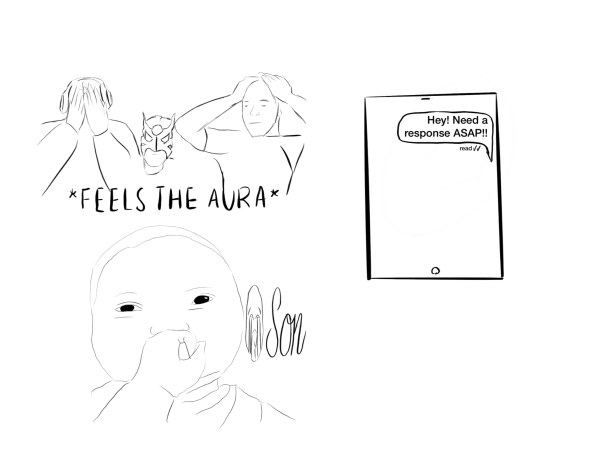
Lakesiders are bad texters.
We don’t reply, we send dry responses, and we only seem to text other people at all when we need something done. Also, Lakesiders seem to get worse and worse at texting each year, and many of us are tired of Lakesiders being lousy texters.
Lakeside’s bad texting culture could be influenced by several factors. Most obviously, we’re busy. But there’s other key reasons such as social trends (like being nonchalant), a lack of care for texting back, and competitive culture. We need to set a standard about what’s okay and not okay while texting. To be blunt, we need to check our various communication platforms more often. Social desires to seem “nonchalant” or “offline,” along with Lakeside’s busy culture of perfectionism, can contribute to the lack of communication over text. Based on the Tatler poll and our own experiences, we’ve come up with more in-depth reasoning behind Lakesiders’ poor texting as well as solutions to ensure effective communication.
Nonchalant Culture
First, Lakeside social culture and modern texting culture have an extreme emphasis on being ‘nonchalant’, which is defined as “to (pretend to) not care for something”. This means deliberate, brief, “dry” replies after long periods of time or ghosting. In fact, one person in the Tatler Poll described their reason for not texting back as “aura.” Similar poll responses include: “I’m not feeling it,” “lazy,” “too much effort,” “I don’t want to talk to them,” and, of course, “responding right away is not nonchalant” (also, ignoring “the huzz” will not make them like you more).
This is essentially manipulation. Deliberately delaying a reply to someone makes the recipient feel like their time doesn’t matter to you, and is honestly disrespectful to the person you’re texting. Unless you’re driving or actively doing other things (though you shouldn’t be on your phone while doing work or driving), you shouldn’t purposely ignore a text to fit in socially.
Communication can heavily indicate the respect you have for the other person — simply ignoring them or not “wasting time” on them indicates a lack of care and respect for someone you want to consider a friend.
Similarly, a common place of discussion for students is on social media. With it comes judgement about how often you use it. People don’t want to seem “chronically online,” meaning they spend too much time on social media. To many, ignoring the text in the moment seems like the best option to reduce social judgement. But seeing the “available” status on someone’s profile while they are actively ignoring your text can cause a similar disrespected feeling, especially as using social media is generally considered a form of downtime. Also, in all honesty, social media is called “social media” because of the social aspect of it — after all, you are interacting with other people — and not because it’s strictly for scrolling through your feed. Just turn your phone off and let your status message blink from available to away.
Communication as a Shared Responsibility
If you’re collaborating with other people on schoolwork, chronically ignoring your phone is not okay. Texting a group chat about a school project, only to get an answer either right before or after it was due is honestly very frustrating. Like not responding to a casual text, ignoring a text about schoolwork feels disrespectful of the work people did and needed to do, especially when the question only required a 30 second text in response.
Another experience of a delayed response impacting ability to work: needing quick responses on pre-scheduled proposals with tight turnarounds, but instead, waiting multiple days for a response because the person said they weren’t checking their phone. A work-life balance is indeed important, but if you’re committing to something that requires time outside of school, completely passing over texts isn’t the best.
Lakeside also has a perfectionist culture, which can translate into texting. Many poll respondents indicated that they often overthink texts, trying to find the “right” response. Also, if asked about making plans or completing a task, they might ignore the message until they have a solid answer. Similarly, Lakesiders may want to appear busier to their peers due to the competitive culture of the school, therefore ignoring messages as a way of indicating that they don’t have time to check their phone often.
Here’s a simple baseline for texting culture we can all agree upon: when someone specifically asks you to text them later or at a specific time, and proceeds to entirely ignore your message, it’s disrespectful. It might seem trivial, but it feels disingenuous to the sender of the text.
Potential Solutions
Perhaps all the prior complaints are the result of one all-encompassing problem in modern texting culture: the lack of transparency. Below are some ways to be more transparent in your communication with peers.
If you’re busy with an activity, let the recipient know. It only takes a few seconds to let someone know you’re busy, and they’ll value that communication over days of no reply. Similarly, if you don’t want to talk to someone, let them know. It’s much more helpful to let someone know they are bothering you than simply ignoring them; plus, they’re more likely to honor the boundary if it’s communicated. If you need time to think about a response, let them know. For important decisions a smart reply is better than a hurried one, but no reply, again, causes confusion.
If a receiver opts for radio silence over a justification because they feel the sender won’t be understanding their justification, what’s to say the sender won’t take offense to a long delay that has numerous potential excuses?
If you don’t check your texts often, or prefer another method of communication, let your peers know that so they aren’t stuck waiting for a response on an urgent topic. This doesn’t just apply to schoolwork; let your friends know if you want them to reach out on a different platform. Initiating this conversation helps build and maintain strong, healthy friendships so people don’t end up feeling left out over not getting a text.
Also, plans change. If you previously agreed to meet/call/text someone at a specific time, but you can’t make it, shoot them a quick text to alert them. Otherwise, they may be stuck wasting time waiting for a conversation that won’t happen that day. Even if you forgot about it, or forgot to text back, letting the person know can help clarify that you didn’t intend to ignore them. Within communication, honesty and clarity is key.
If consistently having time away from devices is crucial, communicate your availability. For example, say when you won’t and will check your phone so the other person can know when to send a message. Or, if you’re out of office for a prolonged time, set an “out of office” setting for your email.
So, this seems like a lot of work just to keep in touch with someone. However, it’s important to do so to prevent mis-communication, mis-interpretation of a text, past-deadline responses, and communicate respect to the person talking to you.