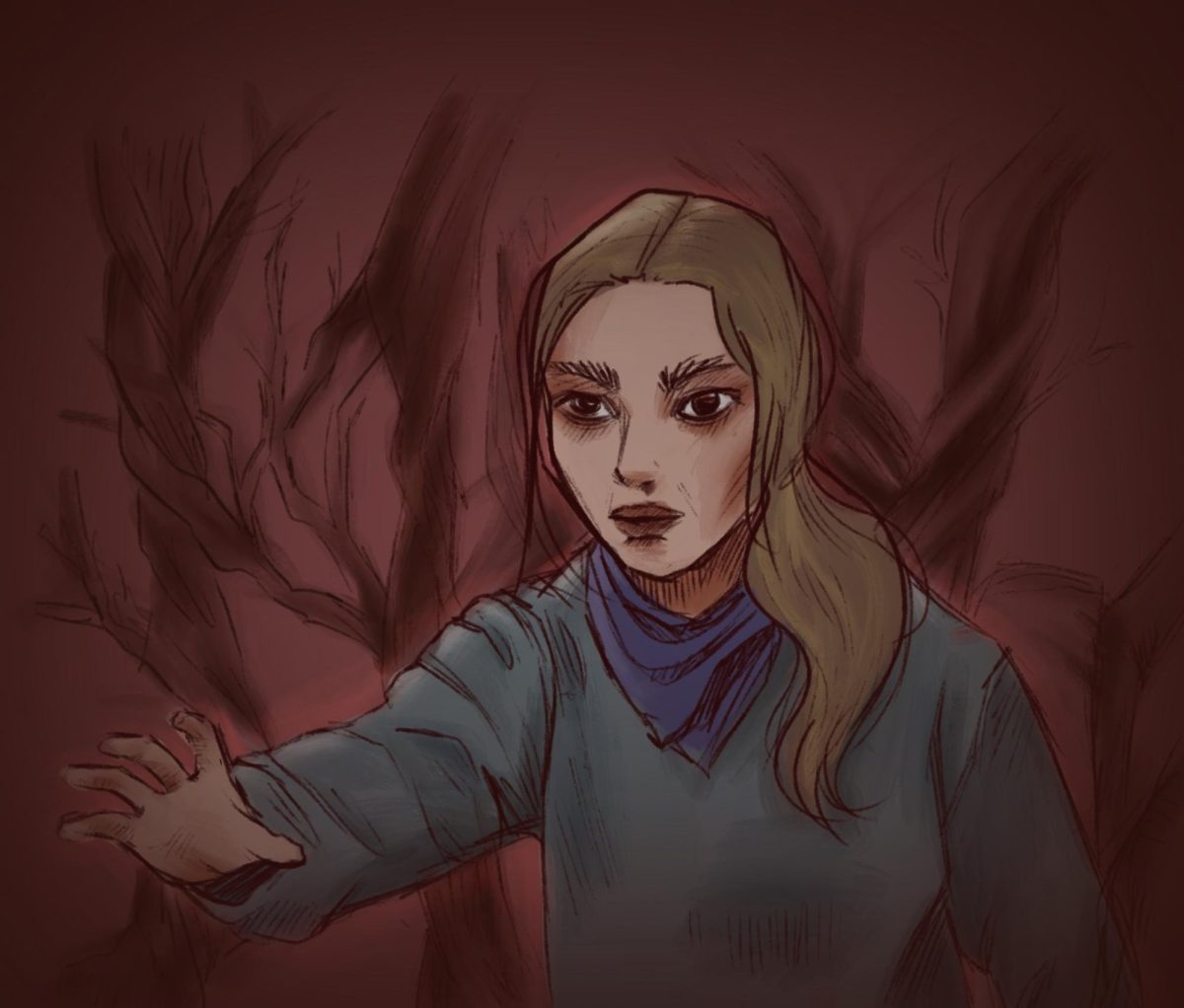
In 2016, Netflix premiered Stranger Things, an ’80s-centric supernatural/psychological horror series. Set in the fictional town of Hawkins, Indiana, the coming-of-age tale followed the mysterious vanishing of 12-year-old Will Byers (Noah Schnapp) and his friends’ determined quest to find him. Though originally conceived as a limited series, the show’s immediate commercial and critical success led to its expansion beyond the first season. Created by directing twins, The Duffer Brothers, this Netflix original was a unique blend of small-town mystery, 1980s nostalgia, and psychokinetic elements. Stranger Things struck a cultural chord among the masses. As of 2026, seasons one through four have accumulated nearly 1.2 billion streams worldwide. Each season grew exponentially in both budget and popularity, solidifying the series’ everlasting influence on popular culture, music, and modern-day television. On Thanksgiving Day, Volume I out of three of season five was released. Though praised for its scale and storytelling, the series has finally come to a close (as of Jan. 1, 2026). But does this concluding season live up to the storytelling stature Stranger Things has established over the past decade? The short answer: No. Longer answer: Kind of.
By far, the most frequent criticisms of the final season (primarily Volume II and III) center around two issues: “lazy” writing and an irritatingly large cast, each of which together bifurcated the show’s narrative problem. Among the two, the size of the cast was the issue that first stood out to me. While character deaths do not make a show, the choice not to write or kill off any of this ensemble cast heavily dilutes the series. In return, this bloating only led to the sidelining of some of the show’s key characters and relationships. Instead of focusing on one of the core party members — in my opinion, it should have been Mike Wheeler (Finn Wolfhard) — the character who receives the most screen time this season is Holly Wheeler (Nell Fisher), who had only been expanded to the main cast this season.
“The biggest thing about there being too many characters is that everybody has plot armor. There’s no stakes, the Duffers are too scared to kill any of their characters,” said Dilara Y. ’28. I liked Holly’s character and enjoyed her “vanishing” storyline with Max (Sadie Sink) as a means to parallel Will’s in season one; nevertheless, the screentime she and the multitude of other children were given in comparison to core members like Lucas (Caleb McLaughlin) and Eleven (Millie Bobby Brown) was excruciating. The arcs of so many characters felt intensely underdeveloped. Furthermore, the constant plot exposition and multitude of inconsistencies did not help the writer’s case.
“The show went from peak to almost like, slop? I like Stranger Things, but it’s almost like they forgot everything they’ve written in the other four seasons,” said Gabriella N. ’28. Not every show needs to have the utmost narrative complexity to be regarded as excellent storytelling, but watching a story constantly be explained away in a show that used to pride itself on its vigilant mystery is disappointing. In fact, these inconsistencies were consistent enough to convince nearly 400,000 people to sign a Change.org petition demanding Netflix release the rumored “hours of cut footage and storylines” from Volume II. In addition, after the finale aired, many became even more enraged, thus creating the viral “Conformity Gate” theory: that Vecna’s 40-minute epilogue was an “illusion,” and that, yet to be released, was a secret ninth episode detailing the villain’s fourth wall break. On January 7th, Netflix crashed … and there was no new episode.
I believe if writers created something that convinced hundreds of thousands of fans that the true, enticing storyline was cut, then convinced them it’s going to be delivered in a secret episode, there is an undeniably fundamental problem with how the season was written. I became a fan of the series in 2019 upon the release of season three, and have made an effort since then to rewatch the entire series multiple times. This being said, after two months of delving into breakdowns, theories, and two hours of Netflix’s documentary (One Last Adventure: The Making of Stranger Things 5) following the making of the season, it’s clear that this finale season wasn’t inherently terrible in any way; it was merely … underwhelming.
In 2023, the official Stranger Writers X account (managed by the show’s writing staff, meant to share behind-the-scenes insight and production details) had tweeted that “Season 5 is like if season 1 and 4 had a baby. And then that baby was injected with steroids.” I wish that were true. While watching Volume II and III, I felt that the entire time, I was waiting. Waiting for the intimate, emotional relationships that propelled the show to return. Waiting for a proper explanation on why an unrequited love arc needed to be stretched out among two seasons, only to have no true acknowledgement. Waiting for the 001 backstory explained in the Duffer Brothers’ original play, The First Shadow, to entwine with the show’s canon. Waiting for each of the characters to confront their trauma, and finally, for a plot point to move me. The superfan in me expected too much. There’s no denying that the abyss-wormhole discovery was interesting — but that’s all it was. That too, only at best. I waited for the season four “The Massacre at Hawkins Lab” storytelling masterclass level reveal, but I was instead met with…predictable. It felt that after the epic conclusion of Volume I (episode four), the show had failed to write a finale that measured up, hence why episode four is rated 9.4 on IMDB whilst the finale is rated 7.6.
The reasons behind discrepancies become clear after watching the One Last Adventure documentary, as much of the finale and almost all of Volume I and II were filmed before the finale was done being written. In the film industry, there are some cases where this is completely normal. However, it does go to show how time-constrained any attention to detail was, with one writer in the documentary citing “demo-fatigue” as a reason not to have the iconic, major-threat monsters featured in the ultimately underwhelming final battle. Nevertheless, Stranger Things has ended, with the fifth season garnering 105.7 million views. Despite my dismay with the conclusion, I will always have love for this show. Its impact on popular culture, my life, and the lives of millions of other fanatics around the world is its own Never Ending Story.